
The Hidden Costs of Inconsistency in Large Beverage Programs
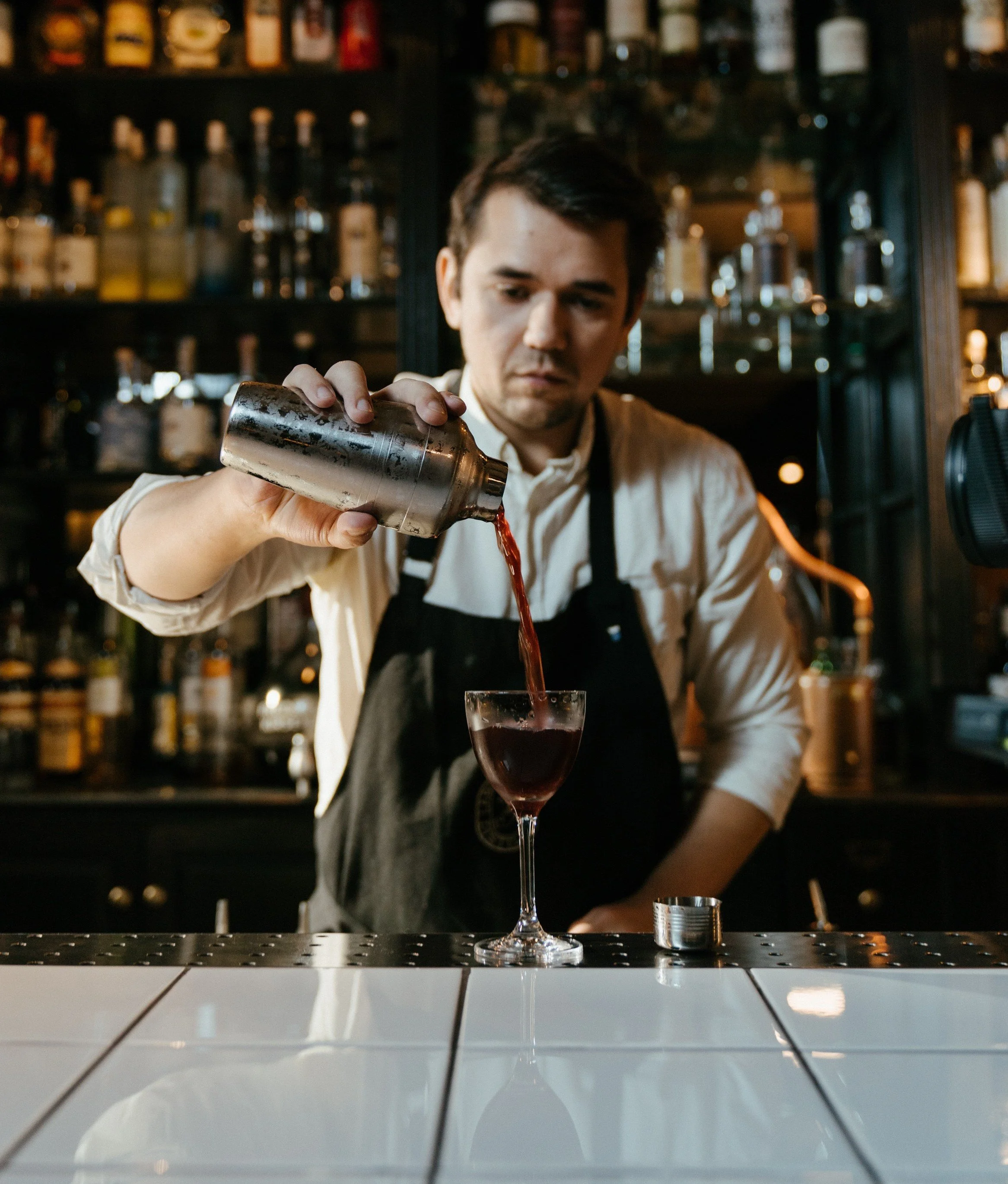
Large beverage programs are complex machines that rely on consistency across ingredients, training, equipment, and execution. Yet most multi-unit operators underestimate how small deviations in pour sizes, bottle selection, product availability, or recipe builds can turn into major financial losses.
When you zoom out, the math becomes undeniable. A quarter ounce here or a label swap there seems harmless at the store level, but across two, five, or twenty locations, that inconsistency becomes one of the largest silent profit drains in the business.
Below are the most common margin killers hiding inside large beverage programs, plus the numbers that illustrate their true cost.
1. The High Cost of a Simple Overpour
Your bartenders do not intend to overpour. Yet without standardized tools, consistent training, or a controlled workflow, it happens every shift.
Let’s look at the impact of an extra 0.25 oz of spirit in a commonly ordered cocktail.
Assumptions:
• 0.25 oz overpour
• Spirit cost: $25 per liter (about $0.74 per oz)
• 150 cocktails per day per location
• 30 days per month
• 12 months per year
Cost per cocktail: $0.185
Monthly loss per outlet: ~$833
Annual loss per outlet: ~$10,000
Annual loss across 20 outlets: ~$200,000
This is just one cocktail with one ingredient. If multiple SKUs are affected or your volume is higher, the losses multiply quickly.
2. Bottle Substitutions That Quietly Erode Margin
It happens often in multi-unit operations. One store runs out of the approved spirit and replaces it with a slightly more expensive bottle that is already on the backbar.
Maybe the cost difference is only $3 per liter. Surely that cannot matter. But at scale, it absolutely does.
Example:
• Approved SKU: $22 per liter
• Substitute SKU: $25 per liter
• Difference: $3 per liter
• 1.5 oz pour size
• 150 pours per day
Cost increase per cocktail: About $0.13
Monthly loss per outlet: ~$585
Annual loss for 10 outlets: ~$70,200
Even worse, many operators never realize why margins slipped because the drinks still “look correct” on paper.
3. Inconsistent Cocktail Builds
Signature cocktails often carry some of the highest margins in a beverage program, but only when they’re built exactly according to spec.
Small deviations have big consequences:
A bartender uses 1 oz of lemon juice instead of 0.75
Someone tops with more than the intended amount of soda
Another uses a heavier hand on the modifier
These inconsistencies create:
• Higher cost per drink
• Flavor inconsistencies that reduce repeat orders
• Confusion during rollouts
• Missed targets on promotions and LTO performance
Across ten or more locations, the revenue impact from inconsistent execution often outweighs the cost impact.
4. Garnish Inconsistency: The Overlooked Margin Leak
Garnishes are one of the biggest variables across stores because they are rarely tracked with the same rigor as prime ingredients.
Consider a premium garnish like dehydrated citrus or edible flowers. A single-unit operator may not think twice about an extra piece. In a multi-unit environment, it matters.
Example:
• Garnish cost: $0.30
• Extra garnish added inconsistently to 200 drinks per day
Monthly loss per store: $1,800
Annual loss across 15 outlets: $324,000
This is why top beverage programs standardize not just ingredients but garnish counts, prep methods, and plating.
5. Unstructured Modifier Programs
Modifiers (add a shot, change the spirit, premium swap) are powerful revenue generators. Yet when not standardized, they become one of the most common sources of margin erosion.
Common issues include:
• Bartenders giving uncharged upgrades
• Inconsistent pricing for the same modifier
• Alternative spirits without defined upcharge tiers
• Guests unknowingly receiving higher cost pours
A well-built modifier program should increase revenue. Without structure, it often does the opposite.
6. The Cost of Inconsistent Product Availability
Nothing derails consistency faster than inconsistent inventory.
When locations cannot get the same SKU, the fallback is often whatever is available in-store. This leads to:
• Cost variance
• Flavor variance
• Missed brand agreements
• Inaccurate forecasting
• Disrupted training assumptions
A standardized procurement program is not optional for multi-unit beverage success. It is a core profit lever.
7. Training Gaps That Lead to Margin Gaps
Even the most carefully designed beverage program fails without structured, repeatable training.
The biggest sources of inconsistency typically come from:
• Staff turnover
• Informal training passed between shifts
• Lack of video or visual training tools
• No clear expectation of pour sizes, spec builds, or waste reporting
Investing in training is cheaper than absorbing the cost of inconsistency.
Key Takeaways
A 0.25 oz overpour in a high-volume operation can cost more than $10,000 per outlet per year.
A small SKU substitution creates tens of thousands in annual margin loss across a multi-unit system.
Inconsistent builds reduce both revenue and guest repeat rate.
Garnish and modifier inconsistencies are among the most common hidden profit leaks.
Inventory control, standardized suppliers, and cross-location brand alignment are essential.
Scalable, repeatable training is the strongest guardrail against inconsistency.

