
How to Decide Which “Showpiece” Cocktails Scale Across an Enterprise
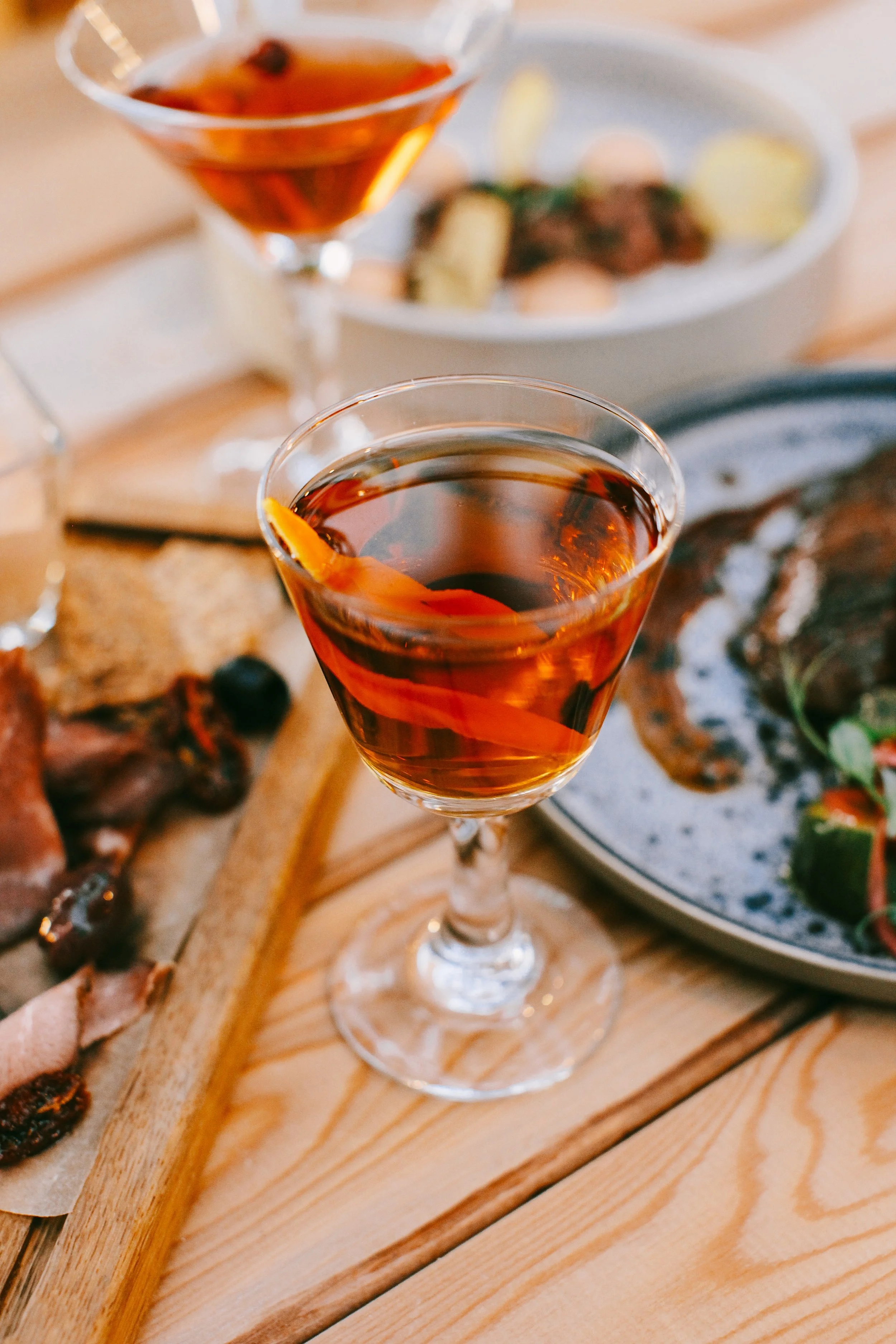
Every beverage program needs a few cocktails that act as brand signatures, drinks that photograph well, sell even better, and feel instantly recognizable across markets. But choosing which cocktails deserve that spotlight is not a creative exercise alone. It’s a strategic decision based on data, margin, operational feasibility, and guest behavior.
Scale the right showpieces, and you elevate brand identity, increase check averages, and streamline training. Scale the wrong ones, and you add labor strain, inconsistency, and unnecessary prep.
Here’s how to choose winners with confidence.
What makes a cocktail a true “showpiece”?
A showpiece cocktail should be:
High-margin
Consistently executed across skill levels
Operationally lightweight
Visually distinctive or on-brand
Proven through sales data
If it doesn’t check most of these boxes, it’s not a candidate for enterprise-level rollout.
Step 1: Let the data tell the truth
Start with performance, not preference.
Analyze sales
Identify the top sellers across all properties.
Look for drinks with repeat order frequency.
Compare performance by region, outlet type, and daypart.
Analyze profitability
Highlight cocktails with a strong contribution margin.
Watch for drinks that sell well but underperform financially.
Remove or redesign drinks that have both low sales and low margins.
Identify patterns
Which flavors or styles consistently succeed?
Which drinks do guests come back for?
Are certain garnishes or presentations driving engagement?
Step 2: Evaluate operational scalability
A showpiece cocktail must be executable anywhere, from a high-volume resort bar to a boutique lounge.
Audit the build
Ask:
How many steps does it take?
How many touches, tools, or garnishes?
Can it be batched?
Can a mid-level bartender execute it quickly during a busy shift?
Watch for friction points
Avoid scaling cocktails that require
Specialized tools
Unique glassware
One-off ingredients
Multi-step garnishes
High-risk prep work
Long build times
Showpieces should shine, not slow the bar down.
Step 3: Focus on high-margin, high-selling candidates
The best showpieces satisfy both demand and profitability.
Look for the “dual sweet spot”
Your strongest candidates are:
Top sellers
High-margin
Quick to execute
Brand-aligned in look and story
Built with ingredients already in your ecosystem
Optimize before rollout
If a cocktail is close but not quite scalable, adjust by:
Batching components
Simplifying the garnish
Using more available ingredients
Removing fragile or expensive elements
Standardizing glassware
A good showpiece is memorable, not complicated.
Step 4: Cut or redesign underperformers
Before adding showpieces across the enterprise, reduce noise.
Identify underperformers
These drinks often drain resources:
Low sellers with long prep times
Cocktails with unique prep requirements
Drinks with high variance between staff
Items using ingredients that don’t appear elsewhere
Menu fillers that exist out of habit, not performance
Decide how to handle them
Cut if the drink:
Is operationally heavy
Has inconsistent quality
Has no meaningful sales upside
Creates waste or prep one-offs
Redesign if the drink:
Has a strong concept but poor execution
Succeeds in some outlets but not others
Needs batching, cost work, or a modern refresh
Step 5: Pilot before scaling
Never roll out a showpiece program-wide without testing.
Pilot in a few key locations
Track:
Sales velocity
Build time
Bartender confidence
Guest reactions
Prep load and labor cost
Consistency across shifts
Refine based on results
Adjust garnish, batching, glassware, or even naming if needed. The best enterprise rollouts are engineered, not guessed.
Step 6: Build a consistent rollout system
Your showpiece cocktail should launch with unified standards.
Include in your rollout package:
Standardized recipes and builds
Photos for garnish and presentation
Batching and prep guides
Ingredient sourcing notes
Training videos or step-by-step walkthroughs
Bar book updates
Launch checklist for managers and bar leads
Clear tools = consistent execution = stronger brand identity.
Quick wins for identifying scalable cocktails
Pick drinks with three steps or fewer.
Prioritize cocktails that already sell well in multiple markets.
Scale drinks built from ingredients that appear across the menu.
Batch anything used in more than three cocktails.
Choose garnishes that add visual impact but take seconds, not minutes.
Favor builds that new bartenders can master quickly.
Key Takeaways
Use sales and margin data—not instinct—to identify showpiece candidates.
Prioritize cocktails that combine high demand, high margin, and operational speed.
Cut or redesign underperformers before rolling out anything new.
Pilot-test showpieces before scaling them enterprise-wide.
Invest in standardized training materials to ensure consistency everywhere.
