
How to Make Your Hotel or Resort Group Known for Exceptional Beverage Programs
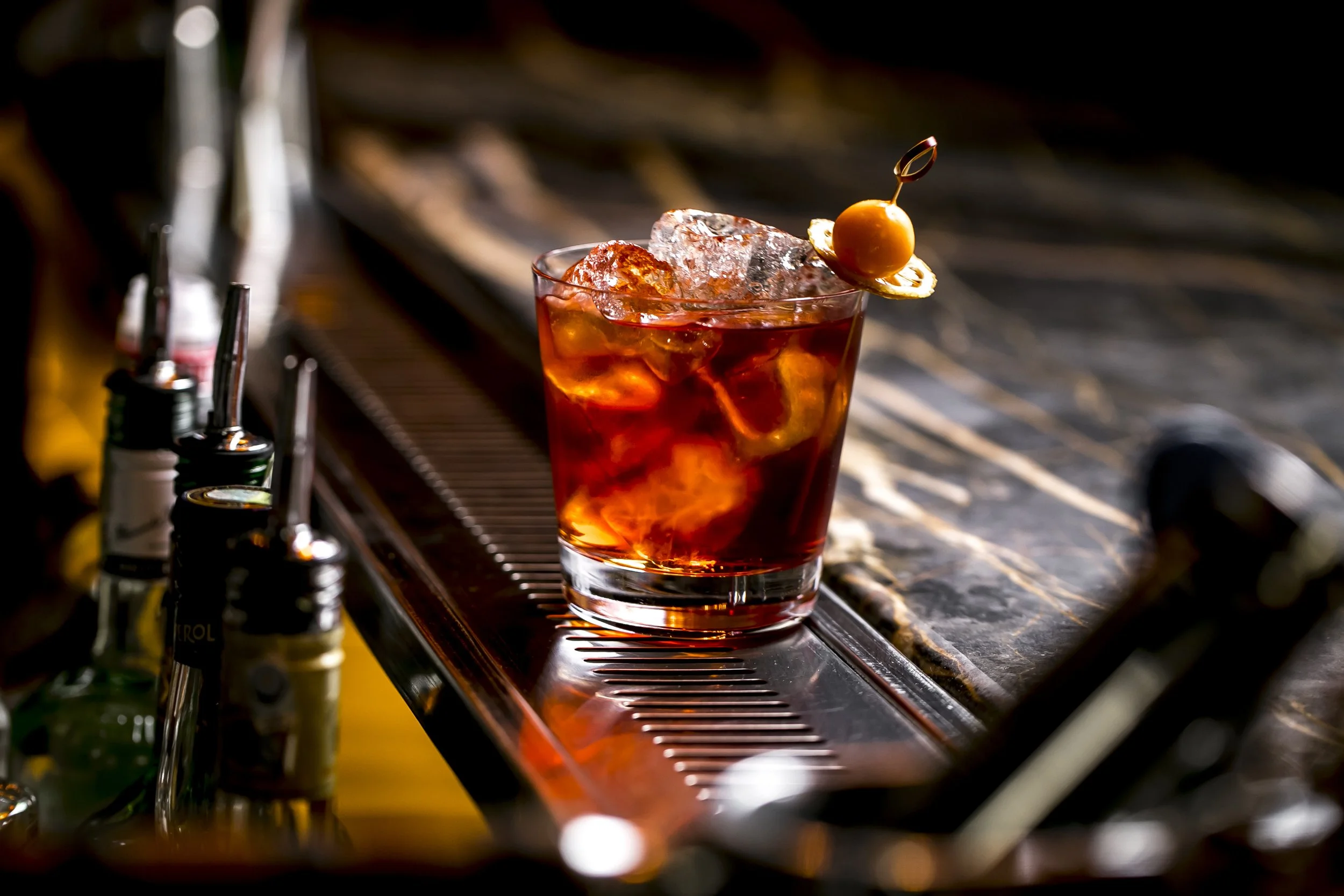
For hotel and resort groups, the beverage program is more than a revenue center. It is a brand signature that shapes guest perception, communicates identity, and differentiates you in a competitive market. A thoughtfully crafted beverage strategy can express local culture, create memorable moments, and empower employees to act as brand ambassadors. When scaled correctly, it becomes one of the most consistent and emotionally resonant touchpoints across a portfolio.
Below is a structured guide to designing beverage programs that reinforce brand identity while still allowing each property to feel unique and connected to its location.
Why Beverage Programs Matter for Brand Identity
Successful hotel and resort brands use beverage programs to:
Signal their values and personality
Create consistent moments guests remember
Deliver cultural storytelling through flavor, presentation, and service
Strengthen loyalty by providing recognizable experiences across properties
Empower staff to bring the brand to life in ways that feel genuine
A drink can become shorthand for the brand itself when executed with intention.
Core Elements of a Brand Signature Beverage Program
Local Flair and Place-Based Design
Guests want to feel connected to where they are. Local sourcing and cultural references create authenticity without sacrificing brand cohesion.
Consider:
Spotlighting regional spirits and ingredients
Incorporating local flavor profiles or culinary influences
Highlighting stories from local farmers, distillers, or artisans
Featuring property-specific cocktails that tie to architectural, historical, or natural elements of the area
Allowing each outlet to feature one or two destination-driven cocktails while keeping the core menu consistent
Local flair acts as a bridge between your brand narrative and the guest’s expectation of a place-based experience.
Signature Items that Scale
Even with local creativity, a brand needs recognizable anchors.
A scalable signature cocktail should be:
Easy to execute consistently
Made from ingredients available across all markets
Distinctive in appearance or serving style
Aligned with the brand’s flavor philosophy
Cost-effective, margin positive, and labor-friendly
Signature cocktails create familiarity. Guests feel a sense of belonging when they walk into any property and find the drink they loved at your other location.
Empowering Employees as Brand Communicators
Bartenders, servers, and bar leaders are the real storytellers. A brand signature beverage program works when employees can share the brand purpose through enthusiastic hospitality.
Support them with:
Short, simple story points for signature drinks
Menu education sessions that build confidence
Opportunities for team-driven innovation
Recognition programs for staff who creatively bring the brand to life
Guidelines that inspire rather than restrict
Guests remember experiences, not ingredients. A confident bartender who shares the why behind a drink creates loyalty that lasts.
Visual Identity and Presentation Standards
Brand signatures are not only tasted, but they are also seen. The way drinks look, feel, and arrive at the table should reflect the brand’s aesthetic.
Set standards for:
Glassware types and heights
Color palettes of cocktails
Garnish style and complexity
Signature ice formats
Tray and coaster presentation
How cocktails are delivered to the guest
When these visual elements stay consistent across properties, guests begin to associate a cohesive visual language with the brand.
Menu Strategy That Supports the Brand
A menu is a storytelling tool. It communicates what you value and sets guest expectations.
Consider:
Leading with the brand’s signature cocktails
Grouping drinks by flavor journey rather than spirit
Featuring destination-specific sections
Offering a limited set of zero-proof signatures to support inclusivity
Using language and design that mirror the brand’s personality
A well-designed menu unifies the brand while providing flexibility to highlight what makes each property special.
Training and Cultural Alignment
Training programs ensure that every beverage team member understands the brand and their role in delivering it.
Build training around:
Core brand values and service philosophy
Signature cocktail execution
Techniques that maintain consistency
Cultural education about regional flavors or stories
Steps of service unique to your brand
When employees understand the why behind decisions, they execute with pride and consistency.
Measuring Success Across the Portfolio
Brand signatures should be evaluated regularly. Look for:
Guest sentiment and feedback across properties
Sales performance of signature items
Consistency of execution and presentation
Beverage cost and labor efficiency
Staff engagement in beverage storytelling
A strong beverage program evolves. Track what resonates and refine the program season by season.
Bringing It All Together
A beverage program becomes a brand signature when it:
Celebrates local identity
Maintains consistent core elements
Empowers staff to deliver the story
Aligns with the visual personality of the brand
Scales without losing soul
Inspires guests to try, remember, and return
Hotel and resort groups that use beverage strategy as a branding tool see stronger guest loyalty, higher average checks, more memorable experiences, and a unified culture across properties.
Key Takeaways
Local flair anchors the beverage experience in a sense of place and creates authenticity.
Signature cocktails act as brand anchors and help unify multi-property portfolios.
Empowering employees with simple stories and strong training builds loyalty through human connection.
Visual identity and presentation standards reinforce brand personality.
Regular audits and performance tracking help refine what works and eliminate what does not.
A strong beverage program becomes a recognizable, emotional part of the brand.
