
How to Make Your Drinks Instagrammable Without Compromising Flavor
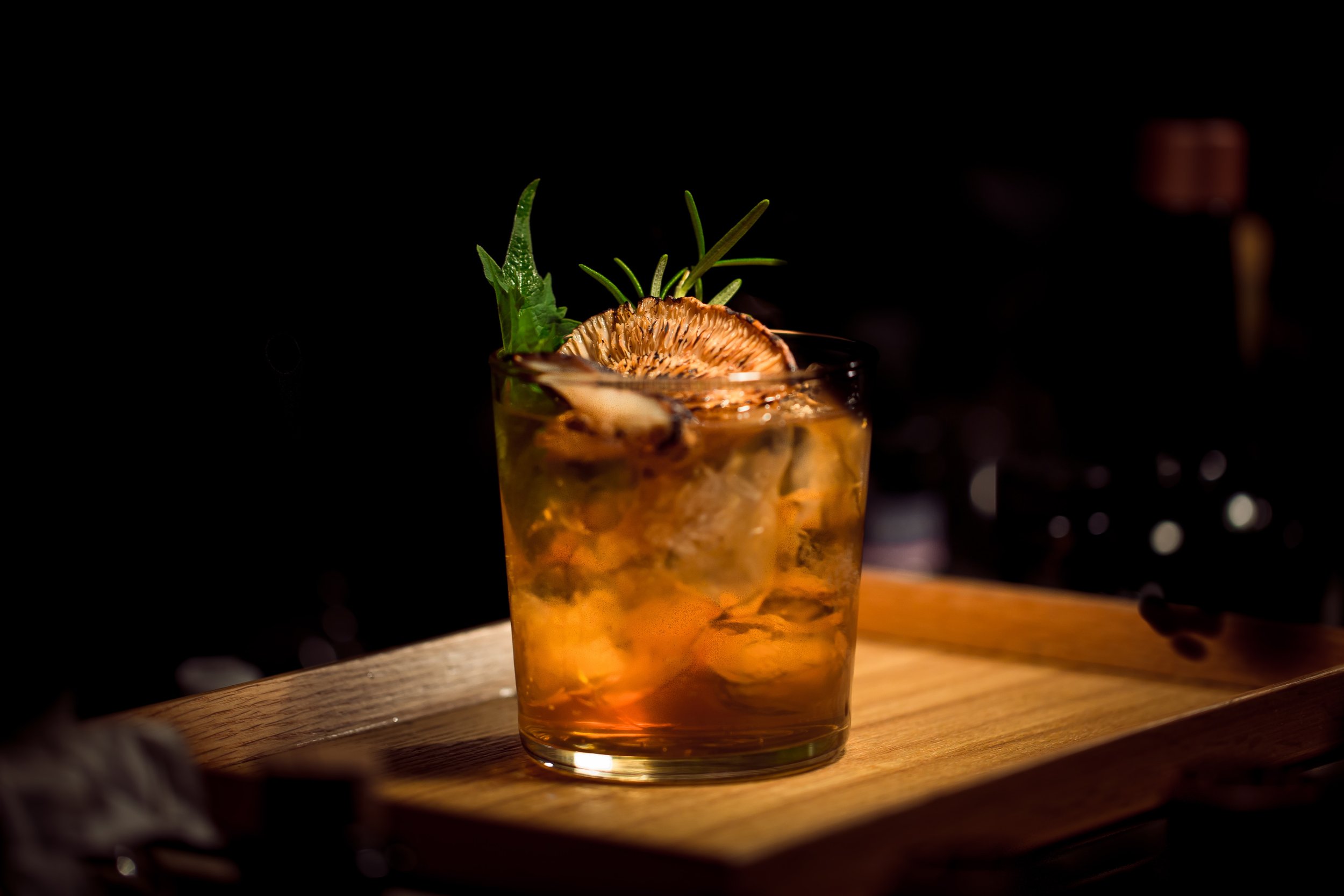
The modern guest doesn’t just drink with their palate; they drink with their camera. A visually striking cocktail can create organic marketing, drive social buzz, and extend your brand’s reach far beyond the bar.
But appearance alone isn’t enough. A drink that photographs beautifully but tastes unbalanced will not bring guests back. The strongest beverage programs understand that flavor and presentation work together. The goal isn’t to chase trends but to create cocktails that look great because they are well-crafted.
The Visual-Flavor Balance
Every element that makes a cocktail photogenic—color, clarity, garnish, glassware, and ice—also shapes the guest experience. This is where design meets hospitality.
A picture-perfect drink captures attention, but flavor earns loyalty. When visual appeal comes from genuine craft, it tells a story worth sharing and reinforces the quality behind every sip.
Choose Glassware That Matches the Mood
Glassware sets the tone before the first sip. It influences proportion, aroma, and perceived value.
Form should follow function. The right glass enhances the drink’s structure. Tall, sparkling drinks benefit from height and clarity, while stirred spirits work best in glassware with weight and roundness.
Design for contrast. A coupe with a vivid garnish or a rocks glass against a minimalist backdrop helps a beverage stand out without unnecessary clutter.
Prioritize feel. The tactile quality of glassware matters. A thin rim or well-balanced weight communicates refinement before the first sip.
The perfect glass doesn’t just look good—it reinforces the story you’re telling through the drink itself.
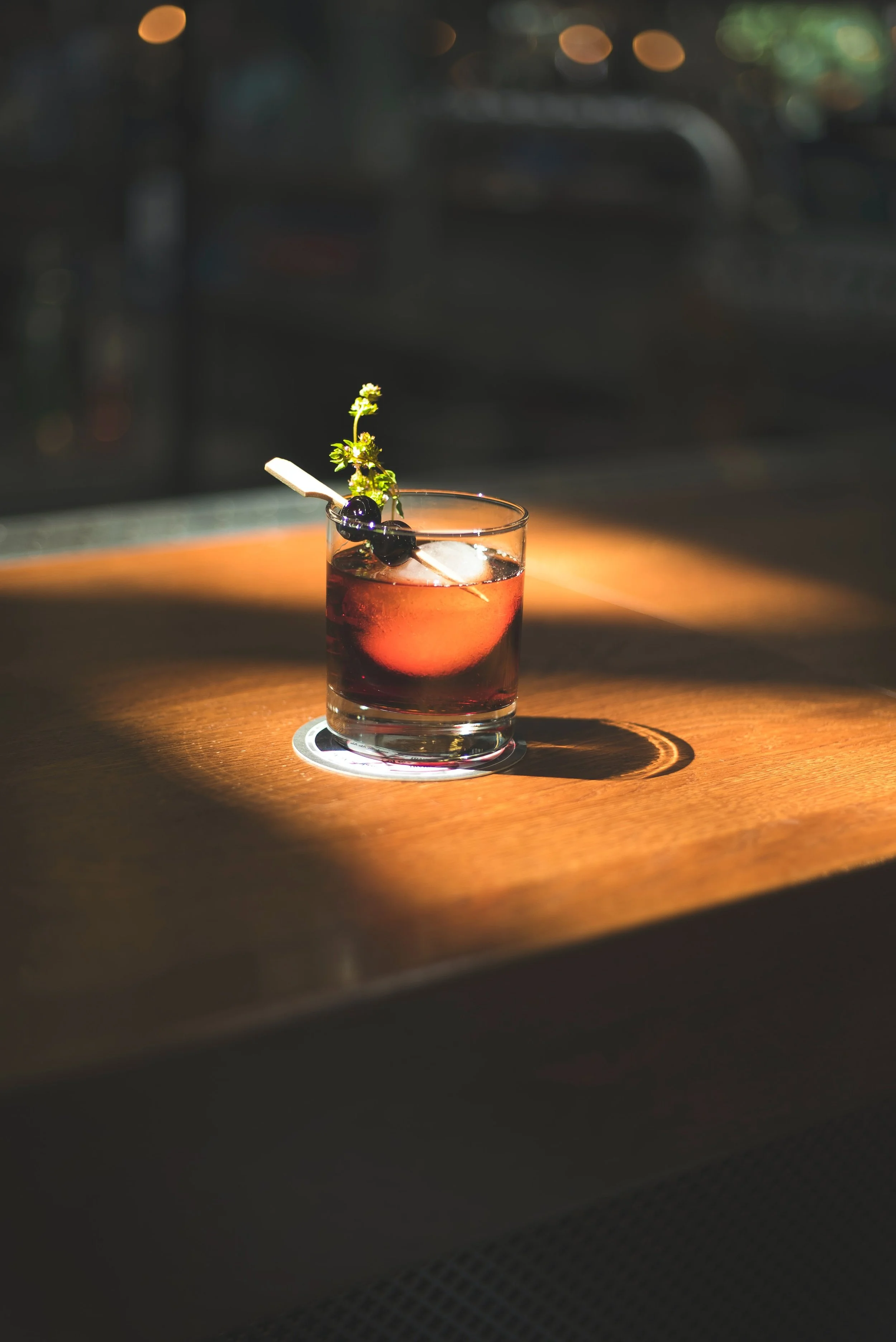
Garnish with Intention
A garnish should never exist just for decoration. It bridges visual appeal and sensory depth.
Use ingredients with purpose. Fresh herbs, citrus peels, and spices can add both aroma and color.
Keep it natural. Guests respond to vibrant, authentic elements rather than ornate or artificial touches.
Think about height and texture. Layering colors or shapes creates depth and movement in photos without overpowering the drink.
A thoughtful garnish signals craftsmanship and care, inviting both the eye and the palate.
Technique Is the Unsung Hero
No filter can rescue a poorly built cocktail. The precision and consistency that make drinks camera-ready come from solid technique.
Focus on precision pouring to keep lines clean and layers distinct.
Master shaking and stirring for a consistent texture and balanced dilution.
Invest in quality ice. Clear cubes or large spheres add sparkle, structure, and control over temperature and dilution.
Technique isn’t about flair; it’s about control. When bartenders master execution, every drink looks intentional and polished.
Lighting and Presentation
Even the best cocktail can lose its impact under poor lighting. Presentation and environment should complement the drink rather than compete with it.
Incorporate lighting zones that photograph well, such as areas with natural light during the day or soft reflections at night.
Align presentation with the setting—crisp glassware and daylight for freshness, darker tones and warm hues for depth.
When guests naturally reach for their phones, it’s a sign your space encourages genuine shareability without forced theatrics.
Flavor Always Wins
Social buzz fades, but great taste builds a reputation. A cocktail that delivers on both flavor and appearance keeps guests engaged beyond a single post.
True creativity happens when form and function align. When the artistry of a garnish, the balance of the glass, and the flavor in the glass all work together, the result is simple: drinks that photograph beautifully because they’re made beautifully.
Key Takeaways for Beverage Directors and Operators
Visual design and craftsmanship work together to shape the guest experience.
Glassware, garnish, and lighting should enhance the drink’s story, not distract from it.
Authentic presentation comes from strong fundamentals — consistent technique, clean builds, and attention to texture.
Create environments that photograph naturally through thoughtful lighting and layout.
A cocktail’s appearance may capture attention, but balanced flavor earns loyalty and repeat guests.
